
Akagera Rwanda’s Big Five Safari Destination
Akagera National Park is Rwanda’s only savannah national park, tucked into the country’s eastern lowlands along the Tanzanian border. Established in 1934, it is one of Africa’s oldest national parks and covers roughly 1,120 square kilometres, an area that mixes low-lying grasslands and savannah plains in the north with rolling hills and valleys typical of the Rwandan countryside in the west. The park takes its name from the Kagera River, and its landscape is threaded with lakes and wetlands, including Lake Ihema, Lake Gishanju, Lake Rwanyakizinga, Lake Mihindi, and Lake Shakani, which feed into that river system. For anyone planning to visit Rwanda and Akagera National Park, this is the country’s premier destination for classic East African savannah scenery paired with a genuinely rich wildlife story.
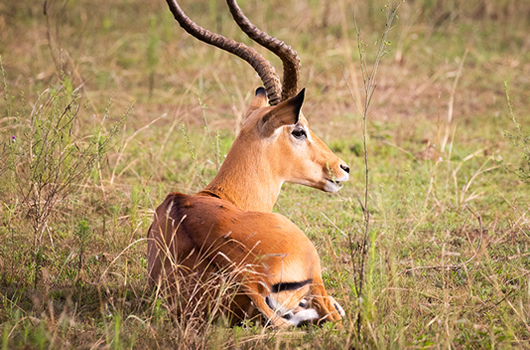
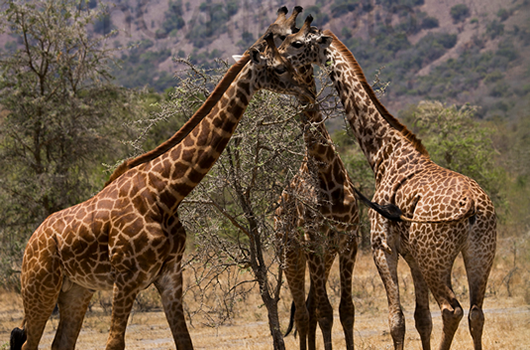
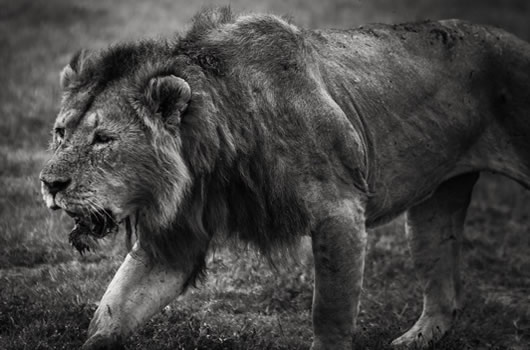
Akagera’s story is one of decline and remarkable recovery. Originally gazetted to protect threatened wildlife, the park lost much of its large-animal population after Rwanda’s 1994 genocide, as resettlement and poaching took their toll. Since 2010, Rwanda Development Board and African Parks have driven intensive restoration: lions returned in 2015 after 20 years’ absence, and eastern black rhinos followed in 2017 and 2019, restoring Big Five status alongside elephants, leopards, and buffalo. Today Akagera protects over 8,000 large mammals — lions, giraffes, zebras, hippos, 120+ elephants, 3,000 buffalo, and 11 antelope species, with impala and topi especially notable. This transformation has made Akagera Wildlife Safaris one of Rwanda’s fastest-growing tourism segments, offering a genuine Big Five experience unimaginable a decade ago.
Popular Tourist Activities
Game drives are the backbone of any Akagera visit. Day and night game drives are both offered, typically done in 4×4 safari jeeps, and morning drives can start as early as 6am, with night drives beginning around 6pm. Night safari drives reveal a different side of the park after dark, when civets, genets, bush babies, owls, and occasionally leopards become active, adding a dimension that daytime drives alone can’t offer. Travelers looking for day tours to Akagera National Park will find that a single day is enough time to fit in a full morning or afternoon game drive, making it a realistic option even for those working with a tight Kigali schedule.
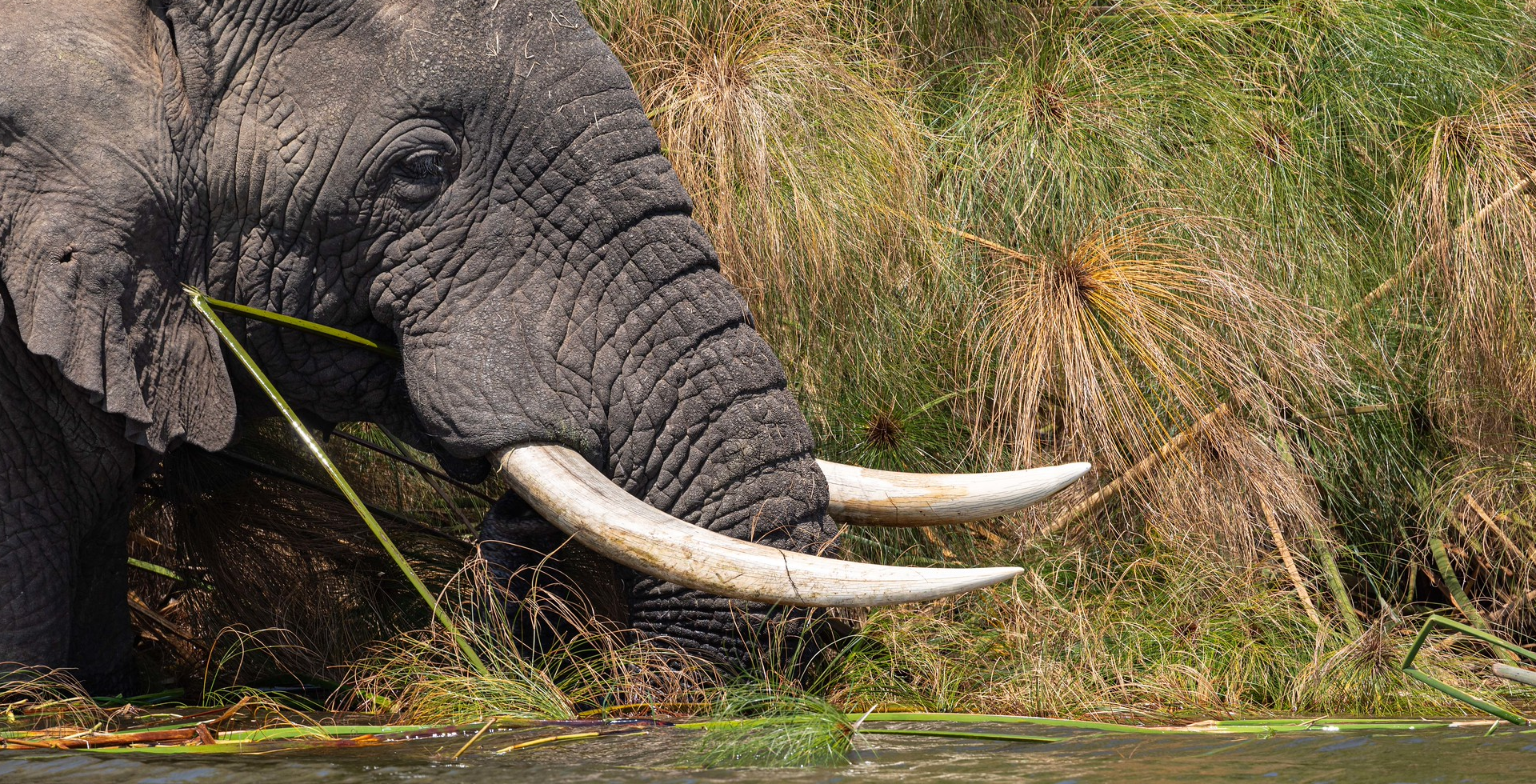
Boat cruises are one of Akagera’s signature experiences, largely because the park is so unusually well watered for a savannah reserve. Boat trips on Lake Ihema — Rwanda’s second-largest lake — let visitors drift along a forest-fringed shoreline and spot hippos and crocodiles, with scheduled departures at 7:30am, 9am, 3pm, and 4:30pm, alongside private, unscheduled trips for those who want them. These cruises also double as a birding activity, since visitors occasionally have a chance of spotting the rare shoebill stork from the water.
Akagera is one of Rwanda’s top birdwatching destinations, second only to Nyungwe, with wetlands, lakes, plains, and woodland supporting over 480 species, including waterbirds and papyrus endemics like the lilac-breasted roller, black-headed gonalek, Heuglin’s robin-chat, grey hornbill, Ross’s turaco, and crested barbet.
The park also offers boat rides, day and night game drives, fishing (Lake Ihema and Lake Shakani, catch-and-cook allowed), camping, guided nature walks, community cultural experiences, and hot air balloon safaris. Standout options include the Behind-the-Scenes Tour, connecting visitors with rangers and anti-poaching teams (book a day ahead, ~90 minutes, $25/person or $180 for groups of 8–12), and Walk the Line, where guests join rangers patrolling the 120km boundary fence. Community tours showcase traditional cooking and crafts.
Akagera Safari Guide: Accommodation & Packages
Accommodation
Akagera offers lodging across all budget levels, both inside the park and just outside its gates.
At the top end, Wilderness Magashi Camp sits in a private northeastern concession overlooking Lake Rwanyakazinga — six intimate tented suites with premium furnishings, en-suite bathrooms, and lakeside verandas, priced from roughly $760–$1,250 per person/night depending on season.
In the mid-range/eco-luxury bracket, Ruzizi Tented Lodge is a standout: a nine-room, solar-powered property on Lake Ihema, about 30 minutes from the park entrance, known for its wilderness feel. Akagera Game Lodge offers a classic, family-friendly mid-range stay with boat rides, night drives, and behind-the-scenes experiences. Mantis Akagera Game Lodge, just outside the park, is a more budget-conscious, family-oriented alternative.
For budget travelers wanting an inside-park stay, Karenge Bush Camp delivers a rustic experience — six canvas tents (sleeping up to six each) with camp beds, reed-mat floors, solar lighting, and bucket showers, open only about six months a year. The park also runs basic campsites (Muyumbu, Mutumba, Shakani) at around $25 per person/night. Karenge and Ruzizi are both park-operated, with all guest revenue supporting conservation. Outside the gates, Akagera Transit Lodge and Kayonza Eco Lodge provide simple, affordable rooms — the latter solar-powered with organic meals and community tree-planting initiatives.
Worth noting: most lodging clusters in the south, with Karenge and Mutumba as the main northern options — yet the north holds the best wildlife viewing, so travelers should weigh drive times against lodging location.
Safari Packages
Trip formats vary widely:
- Day trips from Kigali — a single day covering entrance, a game drive, and often a boat cruise; ideal for time-limited travelers.
- 2-day safaris — one full day of activities (game drives plus a boat cruise), with overnight lodging inside or near the park (33 tours from 24 operators on SafariBookings).
- 3-day safaris — the most popular format, adding a relaxed pace, community/walking activities, and often paired with primate trekking elsewhere in Rwanda (29 tours from 21 operators).
- Multi-park/multi-country circuits — longer trips combining Akagera with Volcanoes National Park, Nyungwe Forest, Lake Kivu, or cross-border extensions.
- Custom/luxury tours — private, tailored itineraries with dedicated guides, premium vehicles, and top-tier camps like Magashi, often bundled with gorilla permits.
Most packages include meals and activities, with budget options running $150–$350 per person/night; upgrades, private guides, and night drives add extra cost. Park entrance fees change periodically, so confirm current rates with an operator.
Akagera’s mix of restored Big Five wildlife and flexible lodging makes it an increasingly standard stop on Rwanda itineraries, not just an add-on to gorilla trekking.