4-Day Nyungwe Forest Safari Itinerary
Nyungwe Forest National Park, in southwestern Rwanda, is one of Africa’s oldest montane rainforests and a UNESCO World Heritage Site. The park spans over 1,019 km² and is home to around 500 chimpanzees, 12 other primate species, more than 275 bird species, and hundreds of orchids and rare Albertine Rift endemics. Four days is enough time to do the park’s signature activities at a relaxed pace, with a buffer day for weather or rest.
Most visitors arrive via Kigali, roughly a 5–6 hour drive southwest (or a shorter transfer if flying into Kamembe airport near Lake Kivu, then driving about 1.5 hours). Break up the Kigali route with a stop at the Rwandan genocide memorial in Nyanza or simply enjoy the scenery as the road climbs through terraced hillsides and tea plantations.
Arrive by early afternoon and check into your lodge near the Gisakura or Uwinka sector. Spend the rest of the day easing into forest life:
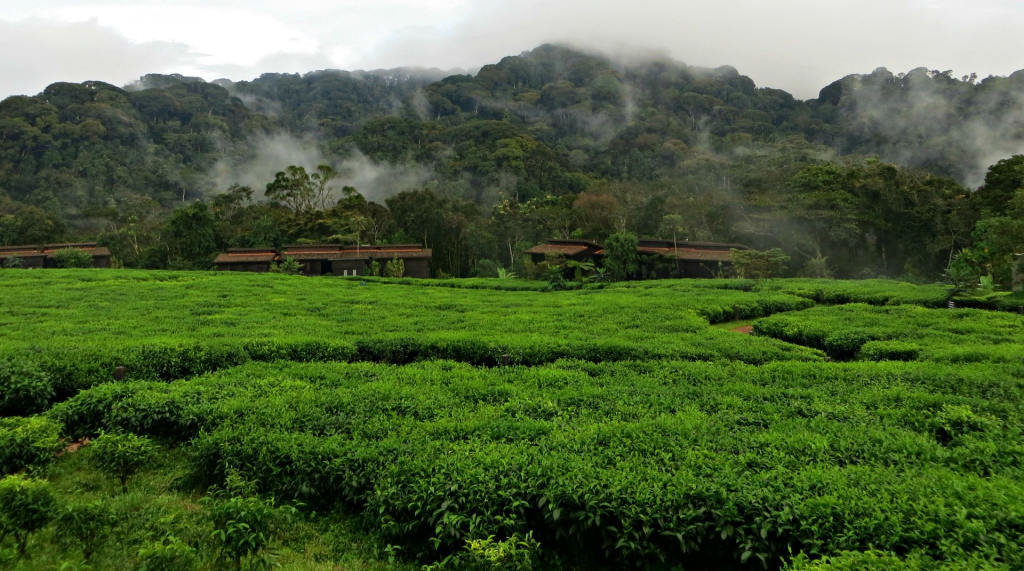
- Tea plantation walk – Nyungwe borders some of Rwanda’s most scenic tea estates (notably Gisakura Tea Estate), and a short guided walk here is a gentle, low-effort introduction to the region before tackling the forest trails.
- Community visit – Many lodges arrange visits to nearby villages or cooperatives, including basket-weaving groups and former poacher associations now working in conservation and tourism.
- Briefing at the park headquarters – Stop at Uwinka Visitor Centre to get oriented, check trail conditions, and confirm next-day trekking permits.
Overnight at your chosen lodge, with an early dinner since Day 2 starts before dawn.
Day 2: Chimpanzee Trekking
This is the marquee activity of a Nyungwe safari. Two habituated chimpanzee groups are available for trekking — one in the main forest block and one in the separate Cyamudongo forest — and treks typically start around 7–8 AM, lasting anywhere from one to seven-plus hours depending on where the chimps have moved overnight.
- Early wake-up (5:00–5:30 AM), light breakfast, and transfer to the trailhead.
- Ranger briefing covering group size limits, distancing rules, and forest etiquette.
- The trek itself moves through dense, often steep and muddy terrain — sturdy hiking boots, gaiters, and rain gear are essential regardless of season.
- One hour with the chimps once located, observing feeding, grooming, and their spectacular calls echoing through the canopy.
Because permits sell out quickly, especially in peak dry seasons (June–September, December–February), it’s worth booking well in advance.
In the afternoon, once you’re back at the lodge for lunch and a short rest, head to Nyungwe’s other headline attraction:
- Canopy Walkway – a 160-metre suspension bridge strung roughly 70 metres above the forest floor, connected to three viewing platforms and a network of ground trails. It’s one of the few canopy walkways in Africa and offers a completely different vantage point on the forest — treetop birdlife, epiphytes, and sweeping valley views. The walk itself takes about 2–3 hours including approach trails.
Return to the lodge for dinner, well-earned after a full day on your feet.
Day 3: Primates, Waterfalls, and Birding
Day 3 slows the pace slightly while covering more of Nyungwe’s biodiversity.
Morning – Colobus monkey tracking Nyungwe hosts one of the largest groups of Angolan black-and-white colobus monkeys in Africa, with troops sometimes numbering 300–400 individuals. Tracking them is less physically demanding than chimp trekking (the trails are gentler and encounters more predictable) and is a wonderful photographic opportunity as they leap between canopy branches in large numbers.
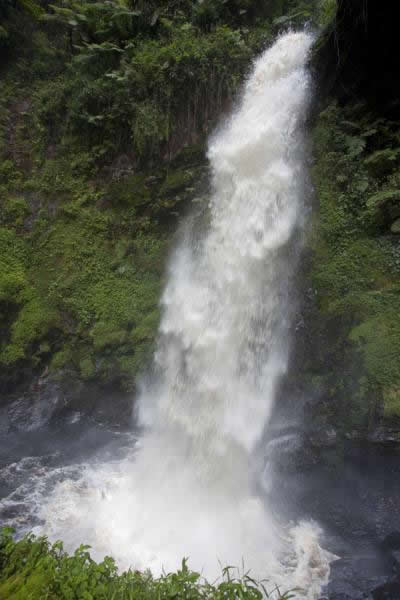
Midday – Isumo Waterfall Trail After lunch, tackle the Isumo waterfall trail, one of Nyungwe’s most popular half-day hikes (roughly 10 km round trip, 3–4 hours). The trail winds through bamboo forest and past smaller cascades before reaching the main 15-metre waterfall — a good spot for a packed lunch and a swim-adjacent rest, though the water itself is cold.
Late afternoon – Birdwatching Nyungwe is an Albertine Rift endemic bird hotspot. Species to look for include the Rwenzori turaco, handsome francolin, Rockefeller’s sunbird, and various barbets and sunbirds along forest-edge trails near Gisakura or the Bigugu trail. Bring binoculars; a local birding guide from the park significantly improves sightings.
Alternative or add-on activities if time and energy allow:
- Night walk in search of nocturnal species like tree hyrax, pottos, and owls (offered at some lodges/park sectors).
- Waterfall trail variations such as the shorter Kamiranzovu marsh trail, known for orchids and occasional forest buffalo tracks.
Overnight at your lodge.
Day 4: Overlook Trail, Optional Activity, and Departure
Your final morning can be tailored to interest and energy level:
- Igishigishigi/Overlook Trail – a shorter (about 3-hour) trail near Uwinka that combines a stretch of the canopy walkway area with sweeping ridge-top views over the forest, a good lower-effort finale.
- Extra colobus or L’Hoest’s monkey tracking, or a return visit to the tea estate for photographs in better morning light.
- Cultural stop at the Kitabi Eco-Center, which combines a small conservation museum with community crafts, useful if you’re departing via the eastern route.
Depart by late morning for the drive back to Kigali (or transfer to Kamembe airport), arriving in the capital by early evening.
Where to Stay: Mid-Range Lodge Options
Mid-range lodges and guesthouses around Nyungwe typically run $80–$200 per night, often including breakfast, with some offering guided activities such as chimpanzee trekking as part of the package. Good options include:
- Nyungwe Top View Hill Hotel – Strategically located near park headquarters, it’s known for modern comfort and panoramic views over the forest, Lake Kivu, tea plantations, and the Virunga volcanoes. One of the most convenient choices for early trekking starts.
- Munazi Eco Lodge – Currently the only mid-range lodge inside Nyungwe Forest itself, just 5 km from Uwinka Visitor Centre, with an all-meals-included format and forest and Lake Kivu views. Opened in May 2025, it has 20 beds across A-frame units plus six twin bedrooms, with private showers and flexible family layouts.
- Nyungwe Nziza Eco-Lodge – Situated about 40 minutes from the park on a hill with views over the forest and surrounding tea plantations, offering deluxe tents, deluxe rooms, and camping with rentable equipment.
- Gisakura Guest House – A well-established, no-frills mid-range option near the Gisakura park entrance, popular for its proximity to trailheads.
- Emeraude Kivu Resort – One of the more affordable mid-range choices, set on the southern shore of Lake Kivu in Cyangugu, close to Nyungwe and the surrounding tea estates. A good pick if you want lake views alongside forest access.
Practical Notes
- Permits: Book chimpanzee and colobus tracking permits through the Rwanda Development Board (RDB) well ahead of your trip, especially in dry season.
- What to pack: Long sleeves and trousers (leeches and nettles are common), waterproof hiking boots, a rain jacket, hat, insect repellent, and binoculars. Avoid bright colors or strong perfume near primates.
- Fitness: Chimp trekking and the Isumo trail both involve steep, sometimes slippery terrain — moderate fitness is recommended.
- Weather: Nyungwe is misty and cool year-round given its altitude (1,600–2,950 m); rain is possible even in the dry season, so build flexibility into the schedule.
This four-day loop covers Nyungwe’s two headline experiences (chimps and the canopy walkway) plus enough variety — colobus monkeys, waterfalls, birding — to make the most of one of Africa’s richest rainforests without over-scheduling each day.