
Lake Kivu, Rwanda: The Ultimate Guide to Beaches, Water Sports & Lakeside Getaways
Overview: Rwanda’s Great Lake on the Rift Valley
Tucked into western Rwanda, Lake Kivu is one of the great freshwater lakes strung along Africa’s Rift Valley. It forms a natural border between Rwanda and the Democratic Republic of Congo, and holds the title of Rwanda’s largest lake and the sixth largest on the continent. For travelers combining a gorilla trekking safari with a slower, scenic escape, Lake Kivu delivers both.
The Drive Along the Shoreline
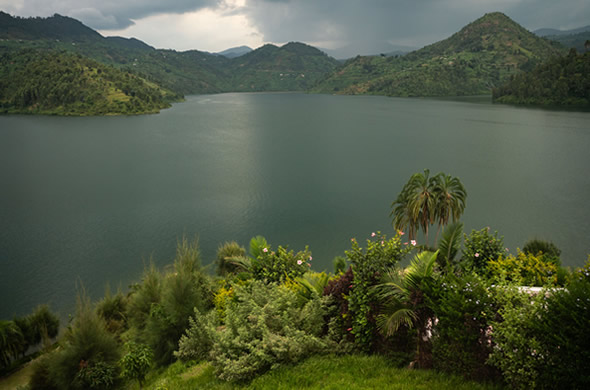
One of the most rewarding ways to experience Lake Kivu is simply the journey between its lakeside towns. The road hugs the water, curving through terraced hills from Gisenyi in the north down to Cyangugu in the south, with the lakeside town of Kibuye sitting roughly at the midpoint. It’s a natural, unhurried link between Nyungwe Forest National Park and Volcanoes National Park, and nearly every bend opens onto a new view of water, hills, and sky.
What to Expect Along the Way
Eucalyptus groves line the roadside and banana terraces cover the hillsides in every direction. Locals wave as you pass, and children often shout “Abazungu!” — the Kinyarwanda word for foreigners (similar to “Muzungu” in Swahili). By the end of the drive, your arm may be tired from waving back — a warm, memorable send-off after days on safari.
Why Travelers Love Lake Kivu
Lake Kivu is where Rwandans, expats, and visitors alike come to unwind. It’s a favorite spot to close out a gorilla trekking itinerary, and unlike many of Africa’s large lakes, it carries no risk from hippos, crocodiles, or bilharzia — meaning you can genuinely relax on its sandy shores and swim freely in the water.
Beyond swimming, the lake offers gentle nature walks, birding by boat or on foot, island excursions, and access to nearby hot springs. Accommodation options range from simple budget guesthouses to upscale lakeside lodges, so there’s something to fit most travel budgets.
Consider building Lake Kivu into your Rwanda itinerary — it’s widely regarded as the country’s best place to slow down, and there’s still plenty to keep you active if you choose.
Activities on Lake Kivu
Water Sports: Sailing, Windsurfing, Kayaking, Boating & Fishing
The lake is well suited to windsurfing, waterskiing, and exploring by motorboat. It has a strong reputation among visitors for its range of water-sport options. Don’t skip trying your hand at fishing — reeling in tilapia for a fresh lunch or dinner is one of the simplest, most satisfying ways to spend an afternoon here.
Simply Relax and Unwind
Sometimes the best activity is none at all. Lake Kivu is an ideal place to slow down — settle in with a book, soak up the sun, and take in the views of the islands, surrounding mountains, and fishing boats drifting across the water. The light breeze and quiet shoreline make it one of the most restful spots in Rwanda to end a safari.
More Adventures to Try at Lake Kivu
Beyond lounging on the beach, the lake and its surroundings offer plenty for the more active traveler:
- Fish for local favorites such as isambaza, tilapia, and indugu.
- Explore the lake’s islands by motorboat or sea kayak.
- Go birdwatching along the shoreline — keep an eye out for the pied kingfisher, known as the largest bird in the world capable of hovering in place without relying on wind.
- Drive, cycle, or hike the Congo-Nile Trail, which runs the length of the lake from Gisenyi to Kamembe. Guided cycling trips with local porters and bike guides make for a safe, rewarding way to cover the route.
- Track primates nearby — mountain gorillas near Ruhengeri, lowland gorillas near Bukavu, chimpanzees in Gishwati Forest, and a canopy walk through Nyungwe Forest Reserve for a broader taste of Rwanda’s rainforest.
Pairing a few of these — say, kayaking combined with a stretch of the Congo-Nile Trail — makes for an especially memorable trip. Rwandans generally speak both English and French, so communication is rarely an issue, but it’s worth asking a local tour expert to arrange the right guide for your route before you set out.